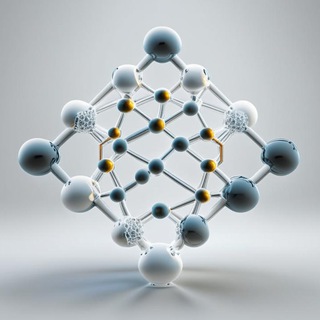
10 Apr 2025, 06:50 UTC≈2,910 views4 reactionsread 8 August 2026 Искусственный интеллект для точного химического анализа на наноуровне
Исследователи из Швейцарской высшей технической школы Цюриха (EPFL) разработали метод PSNMF (pan-sharpening на основе неотрицательной матричной факторизации), улучшающий точность химического анализа наноматериалов.
Метод сочетает данные энергодисперсионной рентгеновской спектроскопии (EDX) с машинным обучением для повышения соотношения сигнал/шум…
👍4
9 Apr 2025, 10:50 UTC702 views4 reactionsread 8 August 2026 Шпаргалка по основным концепциям трансформеров и LLM от профессоров Стенфорда и MIT
Максимально коротко и ёмко.
Трансформеры: внутреннее внимание, архитектура, варианты, методы оптимизации
LLM: промпты, файнтьюнинг, настройка предпочтений, методы оптимизации
Приложения: LLM-как-судья, RAG-системы, агенты, модели рассуждений (ризонинг)
#МОиИИ
👍4
8 Apr 2025, 13:58 UTC556 views4 reactionsread 8 August 2026 Открыт тестовый доступ к платформе Access Engineering
McGraw Hill — американская образовательная компания, предоставляющая образовательный контент, программное обеспечение и услуги для студентов и преподавателей различных уровней.
Access Engineering содержит полнотекстовые цифровые издания ведущих учебников и справочников по инженерному делу (более 700 книг), в том числе Perry’s Chemical Engineers’ Handbook и др.
…
👍2🔥2
8 Apr 2025, 06:55 UTC449 views3 reactionsread 8 August 2026 Физические модели и машинное обучение для прогнозирования температур при аддитивном напылении алюминиевого сплава трением с перемешиванием
Группа ученых из Италии, Индии, Турции и Саудовской Аравии разработала гибридную модель, сочетающую методы контролируемого МО и физически-информированных нейросетей (PINN) для предсказания распределения пиковых температур в процессе аддитивного трения и осаждения алюминиевых спла…
👍3
4 Apr 2025, 08:50 UTC568 views6 reactionsread 8 August 2026 Practical Cheminformatics Tutorials
https://github.com/PatWalters/practical_cheminformatics_tutorials
👍6
2 Apr 2025, 07:49 UTC530 views3 reactionsread 8 August 2026 Глубокое обучение для прогноза свойств пористых материалов по микроструктуре
Китайские ученые представили подход к предсказанию эффективных упругих свойств пористых материалов с использованием сверточных нейросетей и алгоритмов генерации микроструктур.
Для получения обучающей выборки авторы сгенерировали случайные микроструктуры пористых материалов и рассчитали их механические свойства с помощью алгоритма квадродер…
👍2🔥1
1 Apr 2025, 05:50 UTC461 views3 reactionsread 8 August 2026 THICK2D: машинное обучение и LLM для предсказания толщины 2D-материалов
Исследователи из Университета Лихай (США) представили THICK2D — вычислительный инструмент на Python для быстрого и точного предсказания толщины двумерных (2D) материалов. В основе инструмента — методы МО и база данных толщин, сгенерированная при помощи LLM. THICK2D использует только кристаллографическую информацию, что позволяет предсказывать то…
👍3
31 Mar 2025, 07:48 UTC417 views3 reactionsread 8 August 2026 Прогнозирование прочности бетона с RCA с использованием химически активированной золы и нано-SiO₂ на базе МО
Исследователи из Пакистана и Саудовской Аравии оценили прочность и устойчивость бетона с переработанным заполнителем (RCA), модифицированного добавками — химически активированной летучей золой и нано-SiO₂. Целью было компенсировать недостатки RCA-бетона и повысить его эксплуатационные характеристики с помощью…
👍3
28 Mar 2025, 15:34 UTC551 views11 reactionsread 8 August 2026 Введение в базовый рабочий процесс машинного обучения для прогнозирования свойств материалов
Воркшоп от Бенжамина Аффлербаха, Университет Висконсин-Мэдисон, описывает базовый рабочий процесс машинного обучения, применяемый для прогнозирования ширины запрещенной зоны материалов по их химическому составу.
Рассматриваются ключевые этапы: очистка данных, генерация и инженерия признаков, оценка модели, обучение, оптимиз…
🔥11
28 Mar 2025, 07:52 UTC756 views7 reactionsread 8 August 2026 MDAgent: языковая модель для автоматизации MD-симуляций и расчета термодинамических параметров
Ученые из Пекинского университета и Китайской академии наук разработали MDAgent — систему, использующую возможности больших языковых моделей (LLM) для автоматической генерации, выполнения и корректировки кода, необходимого для проведения молекулярно-динамических (MD) расчетов с целью определения термодинамических параметро…
🔥7
27 Mar 2025, 08:50 UTC422 views1 reactionsread 8 August 2026 Вычисление ангармонических инфракрасных спектров полициклических ароматических углеводородов с использованием машинного обучения молекулярной динамики
Китайские и австрийские исследователи провели вычисления ангармонических инфракрасных спектров полициклических ароматических углеводородов (ПАУ) с использованием молекулярной динамики на основе машинного обучения. ПАУ играют ключевую роль в формировании инфракрасных п…
👍1
26 Mar 2025, 08:50 UTC397 views2 reactionsread 8 August 2026 QSARtuna: инструмент для автоматизированного моделирования свойств молекул
Британские исследователи представили QSARtuna — Python-платформу для построения и оценки моделей машинного обучения, предназначенных для предсказания свойств малых молекул в рамках цикла DMTA (design–make–test–analyze). В отличие от большинства существующих решений, QSARtuna поддерживает оценку неопределенности, объяснимость моделей и автомат…
👍2
Showing the 12 most recent of 20 posts we hold for @compchem_and_novelmaterials. View and reaction counts are the latest single reading for each post, not a live figure, and a recent post is still accumulating both. A view count marked ≈ was rounded by Telegram before we ever saw it — t.me prints views in full below 1,000 and to three significant figures above, so ≈1,200,000 means somewhere between 1,150,000 and 1,249,999. Unmarked counts are exact. Text is reproduced from the public post preview and truncated for length.